
This story is part of our journey through emotional healing and self-discovery with Leela. To understand the context and explore other stories, read our series introduction.
Palestinian Childhood: Overcoming Conflict and Displacement
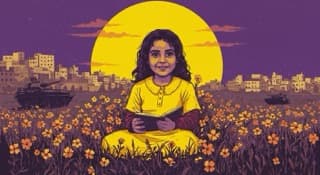
Yasmin spent her early years in a refugee camp in Gaza, a place defined by crowded streets, intermittent power outages, and the constant backdrop of conflict. Her childhood memories were overshadowed by moments of uncertainty, abrupt evacuations, and profound loss. By the age of twelve, Yasmin and her family had been displaced multiple times, each move deepening her anxiety, grief, and sense of insecurity.
Even after emigrating to Sweden as a teenager, the imprint of her Palestinian upbringing persisted. Yasmin often felt caught between her past and her new life. The quiet, stable streets of Stockholm contrasted starkly with her internal world, still haunted by anxiety, grief, and unresolved trauma from the memories of displacement and violence.
Yasmin’s Inner Loop: Trauma and Identity Crisis
As Yasmin matured, she found herself entangled in familiar patterns:
- Persistent anxiety and insecurity: Continuous worry about losing stability again, unable to fully trust the safety of her environment.
- Identity struggles: Difficulty reconciling her Palestinian identity with her new home, causing internal confusion and isolation.
- Emotional detachment: Frequently holding peers at arm's length to avoid explaining her complicated past or facing judgment.
These patterns formed a self-reinforcing loop, hindering Yasmin’s ability to fully embrace her new opportunities and form genuine connections.
Recognizing the Patterns
Yasmin identified the core patterns stemming from her early life:
- Chronic fear of instability: A continuous anticipation of loss or displacement.
- Internalized isolation: Belief that others couldn't grasp what she had lived through, leading to social withdrawal.
- Suppressed grief and trauma: Avoidance of confronting painful memories, leaving old wounds unresolved.
Naming these patterns became the first step on her path toward healing and resilience.
The Leela Connection
Yasmin's journey resonates deeply with the spiritual symbolism of Leela squares. Her ongoing inner conflict and sense of displacement align clearly with Sorrow (Dukh, Square 26), reflecting the deep grief carried from her childhood. At times, that sorrow also pulled her downward into Illusion (Maya, Square 2)—a distorted perception of identity and belonging.
Yasmin’s transformative shift emerged through the upward arrow of Selfless Service (Parmarth, Square 27)—the very move that carries a player up to the Human Plane (Square 41). It marked her conscious decision to channel pain into action: community support, storytelling, and steady resilience.
The Breakthrough: Storytelling as Healing
Yasmin's turning point came during a community storytelling event, where she first publicly shared her experiences of displacement and conflict. The empathetic audience, deeply moved by her openness, helped Yasmin see the value of her voice and story. This pivotal moment sparked a quiet realization: her past, while painful, held real power for healing, connection, and advocacy.
Empowered by this realization, Yasmin pursued practical, healing actions:
- Storytelling and advocacy: Sharing her experiences to educate others about displacement and fostering empathy.
- Community engagement: Joining refugee support groups, offering support, and mentoring others facing similar struggles.
- Mindfulness and release: Adopting meditation and therapeutic journaling to process difficult memories and manage anxiety.
Practical Steps Toward Emotional Resilience
Yasmin's experience highlights actionable strategies toward healing:
- Professional support: Working with a trauma-informed therapist to process displacement and violence at a safe pace, alongside self-help practices.
- Therapeutic storytelling: Regularly expressing and processing traumatic experiences through supportive storytelling groups.
- Mindfulness practices: Daily meditation and grounding exercises to manage anxiety and moments of overwhelm.
- Community involvement: Building supportive networks, actively participating in advocacy, and helping others cope with similar struggles.
Reflective Questions for Personal Growth
- How have experiences of displacement or upheaval shaped your sense of safety and well-being?
- In what ways can storytelling or expressive activities support your healing?
- What practical steps can you take today to foster resilience, community connection, and steady ground?
If you're struggling right now, you don't have to face it alone.
- 988 Suicide & Crisis Lifeline — call or text 988 (24/7, free, confidential)
- Crisis Text Line — text HOME to 741741
- A trauma-informed therapist can help you process displacement and violence at a pace that feels safe.
Reaching out for professional support is a sign of strength, not weakness.
Your Call to Resilient Living
Your past experiences, however challenging, hold the potential to inspire lasting growth, resilience, and positive impact. Like Yasmin, embracing storytelling, honest openness, and community connection can lead you toward meaningful healing and transformation.
Are you ready to reclaim your narrative, build emotional resilience, and foster meaningful connections? Begin your transformative journey toward healing today.