
This story is part of our journey through emotional healing and self-discovery with Leela. To understand the context and explore other stories, read our series introduction.
Addressing Emotional Burnout in Caregivers: Restoring Compassion and Resilience
Caregiving usually begins in love—but its daily demands can quietly pull caregivers into burnout, anxiety, and exhaustion. Over months and years, relentless responsibilities, self-neglect, and thin personal support wear down a caregiver's resilience and health. Yet with steady self-care, mindful restoration, and a willingness to ask for help, caregivers can recover their strength, clarity, and a kind of care they can actually sustain.
Elena’s Story: Exhausted by Compassion
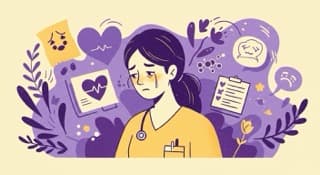
Elena, a 42-year-old nurse from Miami, had built her whole life around caring for others. On the ward she was the one patients asked for by name, steady and warm through the hardest shifts. At home she looked after her aging mother, whose needs kept climbing even as her own workload never let up. She took real pride in being the dependable one—yet privately she was running on empty, gripped by burnout, chronic anxiety, and a bone-deep fatigue she couldn't shake.
Slowly, her reserves drained. Anxiety crept in where warmth used to be; the enthusiasm that once carried her through long days flickered out. She felt more and more alone, certain no one grasped the weight she was carrying. Rest felt like a betrayal of the people who needed her, and that guilt only tightened the cycle of depletion.
Recognizing Emotional Patterns of Caregiver Burnout
In caregivers, burnout tends to show up as:
- Chronic exhaustion: Feeling drained, overwhelmed, and no longer able to show up for others the way you once could.
- Neglected self-care: Putting everyone else first until your own physical and mental health starts to slip.
- Isolation and guilt: Pulling away from friends and support, then feeling guilty for wanting any time for yourself.
Elena recognized every one of these in herself—caught between her devotion to others and a growing compassion fatigue, with no idea how to break the loop.
The Leela Connection
Elena's struggle mirrors the Leela snake that drops from Egoism (Ahankar, Square 55)—her fusion with the caregiver role at the expense of her own needs—down into the raw resentment of Anger (Krodha, Square 3). Her breakthrough is the arrow that begins at Mercy (Daya, Square 17) and lifts her to the Absolute Plane (Square 69): by finally extending to herself the mercy she pours out on everyone else, she rises into renewal and steadier, more sustainable care.
Elena’s Breakthrough: Self-Care and Mindful Restoration
Elena's turning point came at a mindfulness workshop for caregivers. She almost didn't go, and sat guarded through the first session—but somewhere in the guided practice, something loosened. She saw clearly, maybe for the first time, that she could only keep caring for others if she stopped treating her own needs as optional.
That realization set a few concrete practices in motion:
- Daily self-care: She built small, non-negotiable routines—morning meditation, a few minutes of journaling, and time to move her body.
- Clear boundaries: Naming her limits—and saying them out loud—eased the constant drain and the fatigue that came with it.
- Real support: She reached out to caregiver groups and a therapist, which chipped away at the isolation and rebuilt her resilience.
Practical Strategies for Recovering from Burnout
Elena's path points to a few strategies anyone can try:
- Mindfulness and self-kindness: A short daily meditation and a few honest, gentle affirmations take the edge off anxiety and steady you.
- Consistent self-care: Guarding time for rest, movement, and things you enjoy keeps burnout from creeping back and makes caregiving sustainable.
- Community connection: Regular contact with other caregivers or a support group offers validation, cuts isolation, and rebuilds strength.
Over the following months, Elena changed in ways she could feel. Her strength, clarity, and steadiness returned. Caregiving stopped hollowing her out; it flowed again from genuine care rather than exhaustion, anxiety, or obligation.
Reflective Questions for Personal Insight
- How has caregiving burnout affected your well-being and your relationships?
- Which self-care practices could you build into your week to protect your health and resilience?
- Who—or what community—could offer you real encouragement when caregiving gets hard?
Your Pathway to Emotional Restoration
Your health and well-being matter—especially as a caregiver. Like Elena, you carry real strength and care, enough to turn burnout into resilience, sustainable caregiving, and genuine kindness toward yourself.
Are you ready to reclaim your health, sustain the care you give, and rediscover what makes it meaningful? Your journey begins today.